Tyrol · Kitzbühel Alps
History of Jochberg
Three thousand years
From copper ore to ski slopes
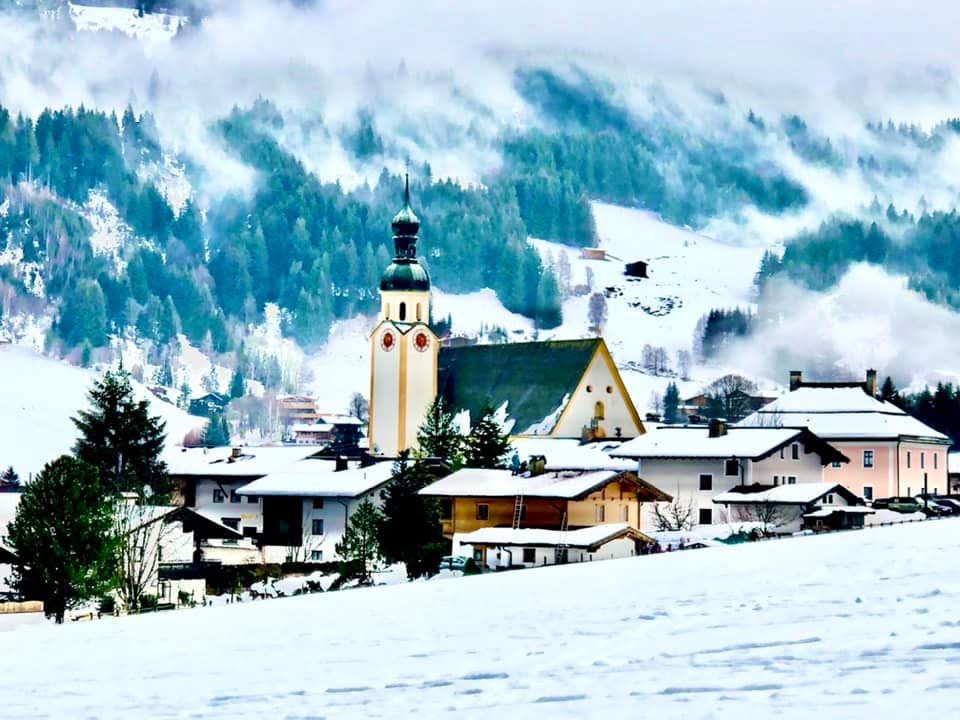
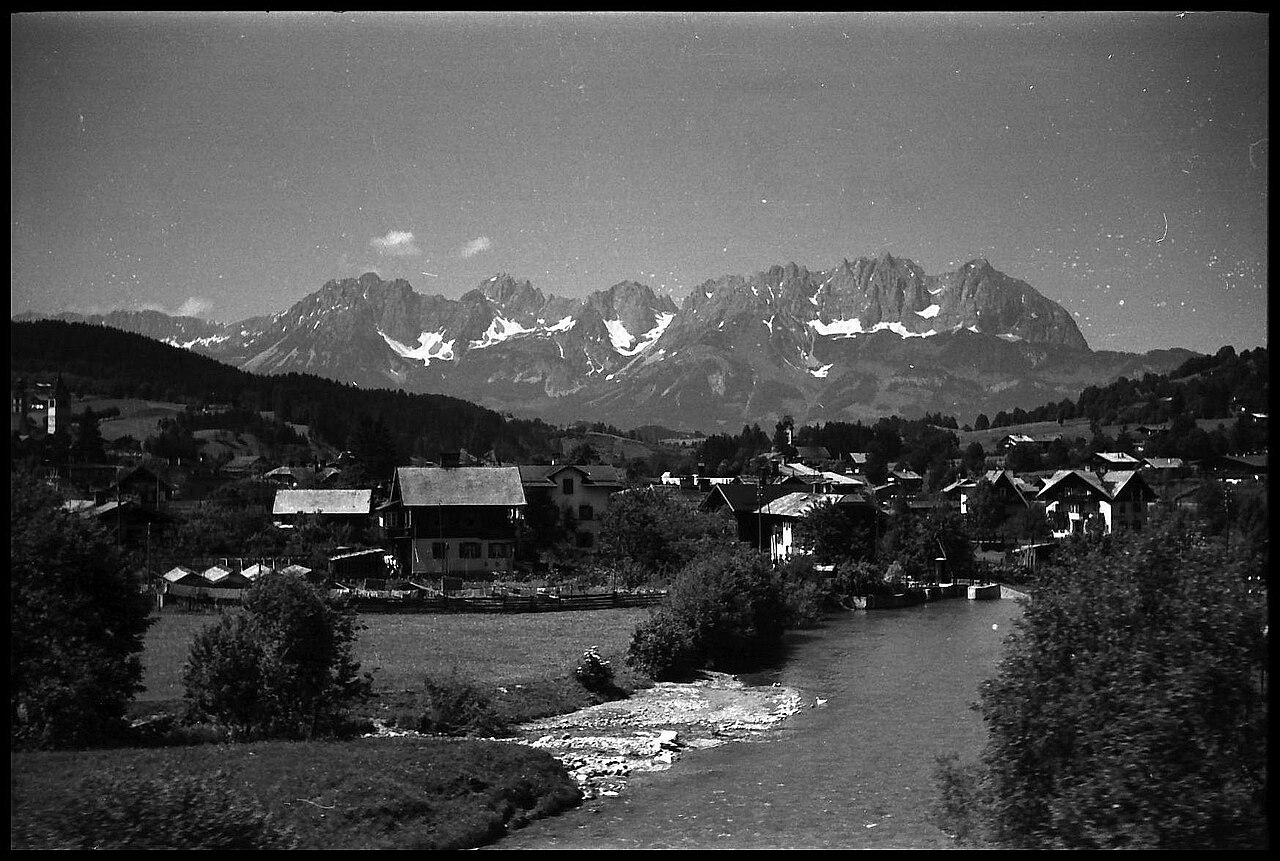
Jochberg lies at 924 metres in the valley of the Jochberger Ache, between Kitzbühel and the Pass Thurn. The long, stretched-out village has just over 1,500 inhabitants and is surrounded by mountains rising to 2,363 metres (the Gaisstein). Driving through the valley today you see meadows, farmhouses and ski lifts – but the history of Jochberg begins underground.
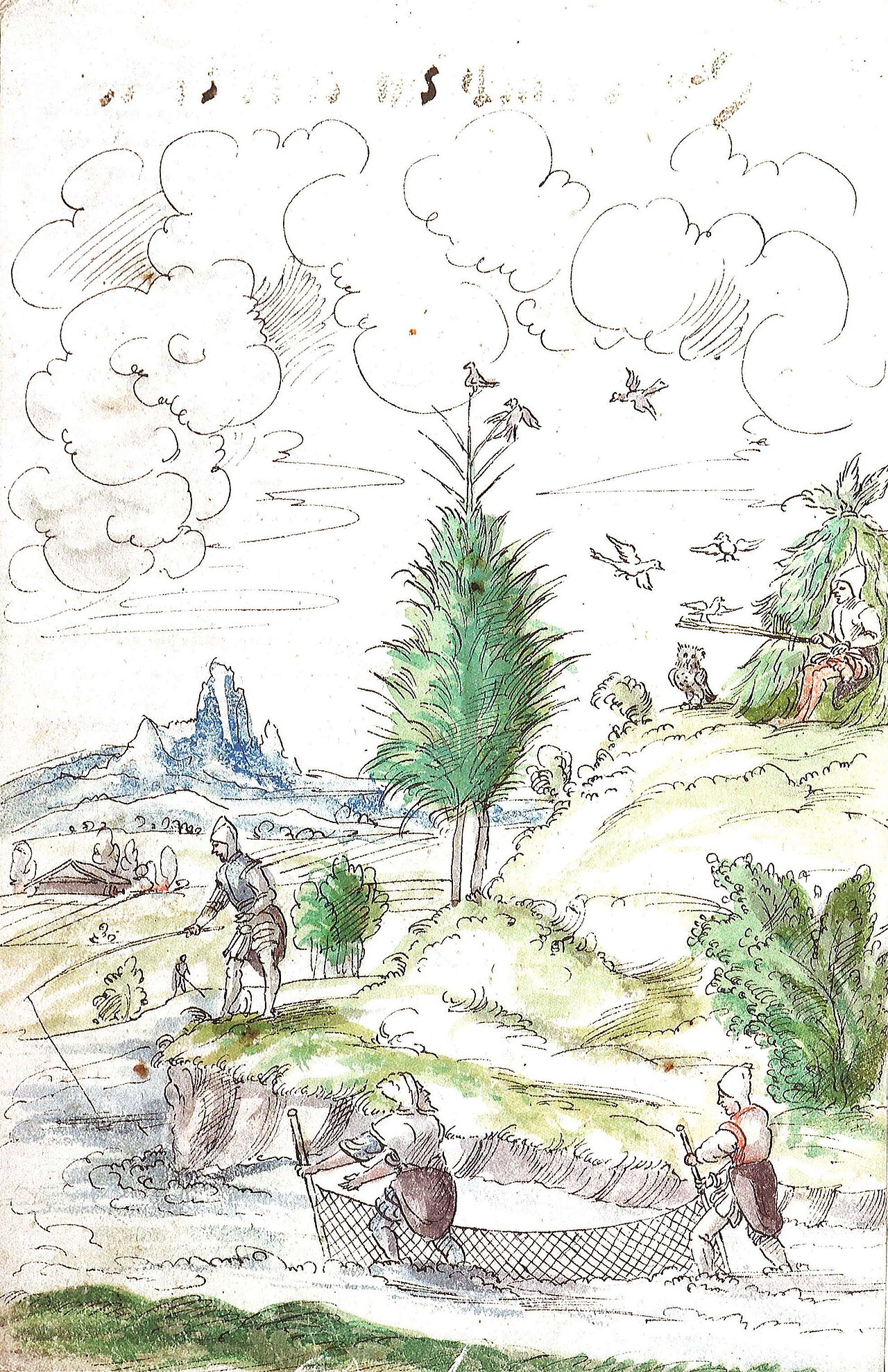
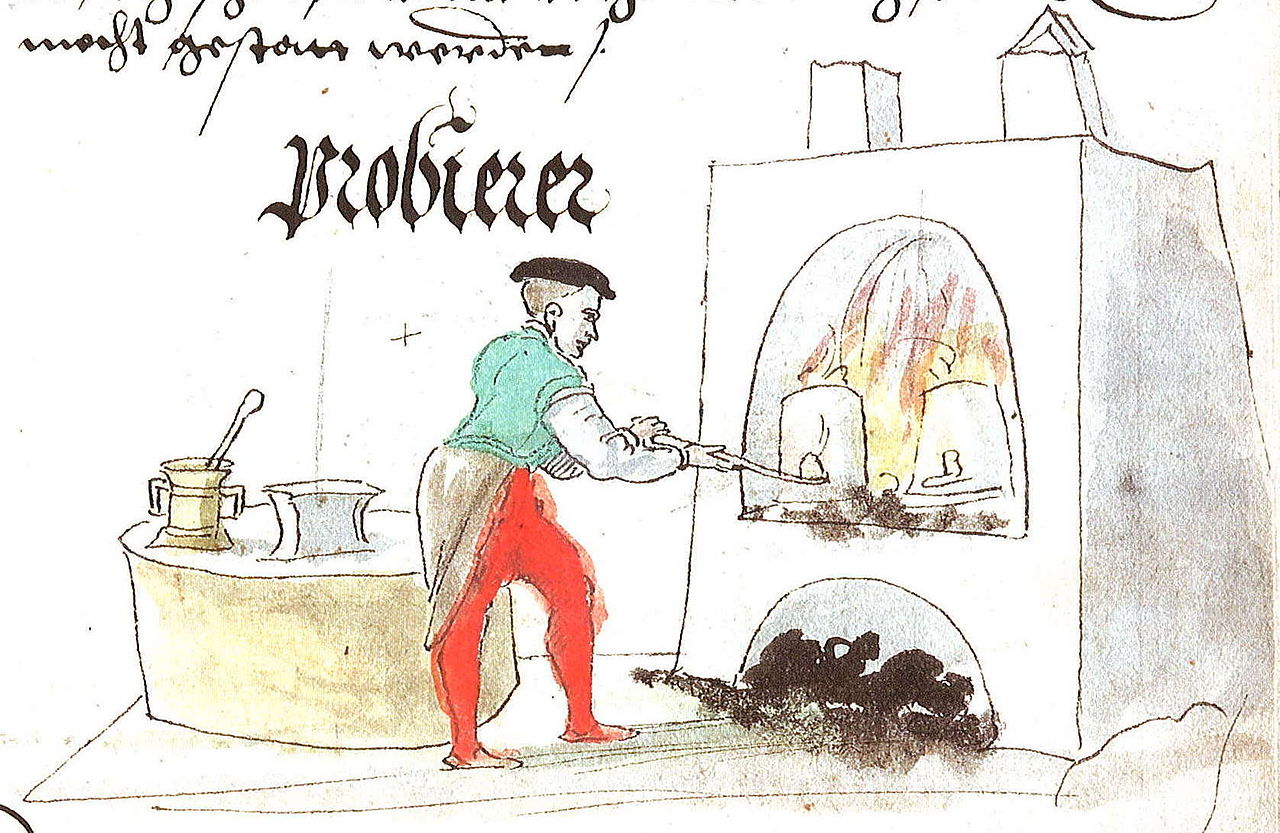
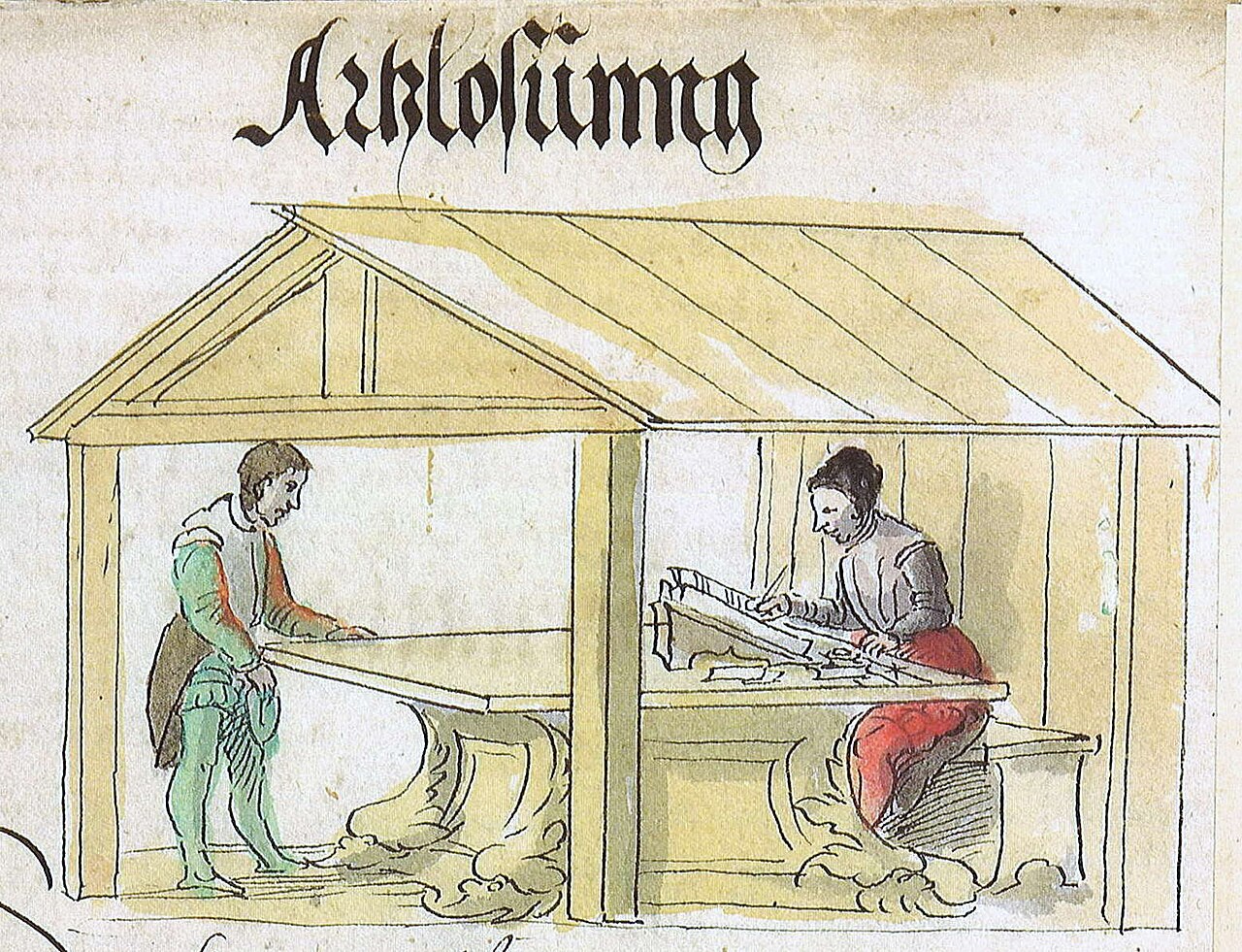
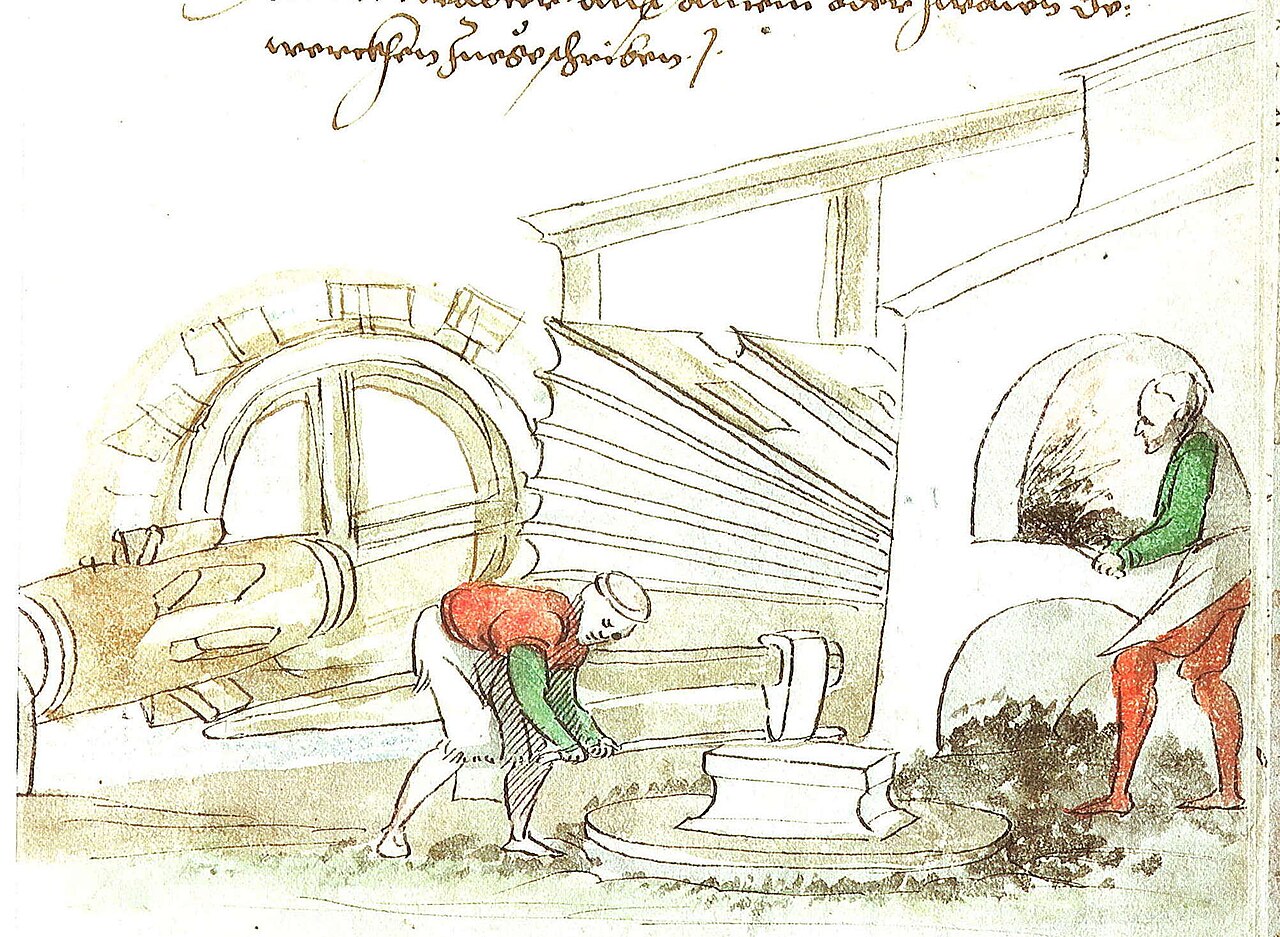
As early as the Bronze Age, some three thousand years ago, copper was mined and smelted around the Kelchalm, which makes Jochberg one of the oldest mining areas in Tyrol. In the fifteenth century the extraction of copper- and silver-bearing ore started again in the area that later became known as the “Kupferplatte”. For centuries miners and smelters shaped life in the village; the ore was processed in the hamlet of Hütten. The last copper was smelted in 1875 and on 31 July 1926 the mine closed for good.
After that Jochberg went back to what it had always been as well: a farming village. Until 1959, when the first chairlift opened on the Wagstätt and ski tourism began. Since 2013 a modern gondola lift takes skiers into the KitzSki area in a few minutes.
Timeline
Jochberg through the centuries
- c. 1000 BCBronze Age copper mining
Copper ore is mined around the Kelchalm and processed in smelting furnaces. Archaeologists have found the remains.
- 1073First mention
Jochberg (“Johberg”) appears in a charter in the name of Emperor Henry IV – probably a later forgery from the 12th or 13th century, but still the oldest document naming the village.
- 1275Border village
The border between the Archbishopric of Salzburg and Bavaria runs at Jochberg. In the 14th century the village belongs to the court of Kitzbühel.
- 1447Copper and silver
Mining of fahlore, rich in copper and silver, begins in what later became the Kupferplatte.
- 1482Gasthof Schwarzer Adler
The village inn is built – and is still there today.
- 1504Part of Tyrol
Together with the court of Kitzbühel, Jochberg becomes part of Tyrol under Emperor Maximilian I.
- 1505The Wolfgang spring
99 healings are recorded at the spring below the church. For almost three hundred years pilgrims come to Jochberg.
- c. 1600Erbstollen zum Heiligen Geist
A new main adit opens up the ore veins deeper in the mountain.
- 1750–1752Baroque church
The parish church of St Wolfgang is built by Kassian Singer; the frescoes and stucco are by Simon Benedikt Faistenberger.
- 1762Independent village
Jochberg is recognised as one of the ten villages of the Landgericht Kitzbühel.
- 1835The road through the valley
Construction of the road towards the Pass Thurn and the Salzburg region.
- 1875Last smelt
Copper is smelted for the last time at the smelting works in Hütten.
- 31 July 1926End of mining
After almost five centuries the Kupferplatte closes for good.
- 6 December 1959First chairlift
The Wagstätt lift opens: the start of ski tourism in Jochberg.
- 7 December 2013New Wagstättbahn
A 10-seater gondola replaces the old lift and links Jochberg directly to KitzSki.
- TodayOver 1,500 inhabitants
A quiet mountain village with a former mine as its attraction: the Kupferplatte show mine and the mining and local history museum.
Did you know…?
Fun facts about Jochberg
That is how long ago copper was already being mined around the Kelchalm: Jochberg is one of the oldest mining areas in Tyrol.
From 1447 until 31 July 1926 copper and silver ore was mined in the Kupferplatte.
The village inn is ten years older than the discovery of America – and it is still there today.
In 1505, 99 miraculous healings were recorded at the Wolfgang spring below the church.
The oldest charter naming Jochberg is probably a medieval forgery.
That is how high the 3S cable car floats above the Saukasergraben between Jochberg and Kitzbühel. One cabin has a glass floor.
The Sintersbach waterfall drops 85 metres into natural pools, about an hour’s walk from the valley.
Between the first chairlift (6 December 1959) and the new Wagstättbahn (7 December 2013).
The village lies at 924 metres; the Gaisstein above it rises to 2,363 metres.
Discover it yourself
History you can visit
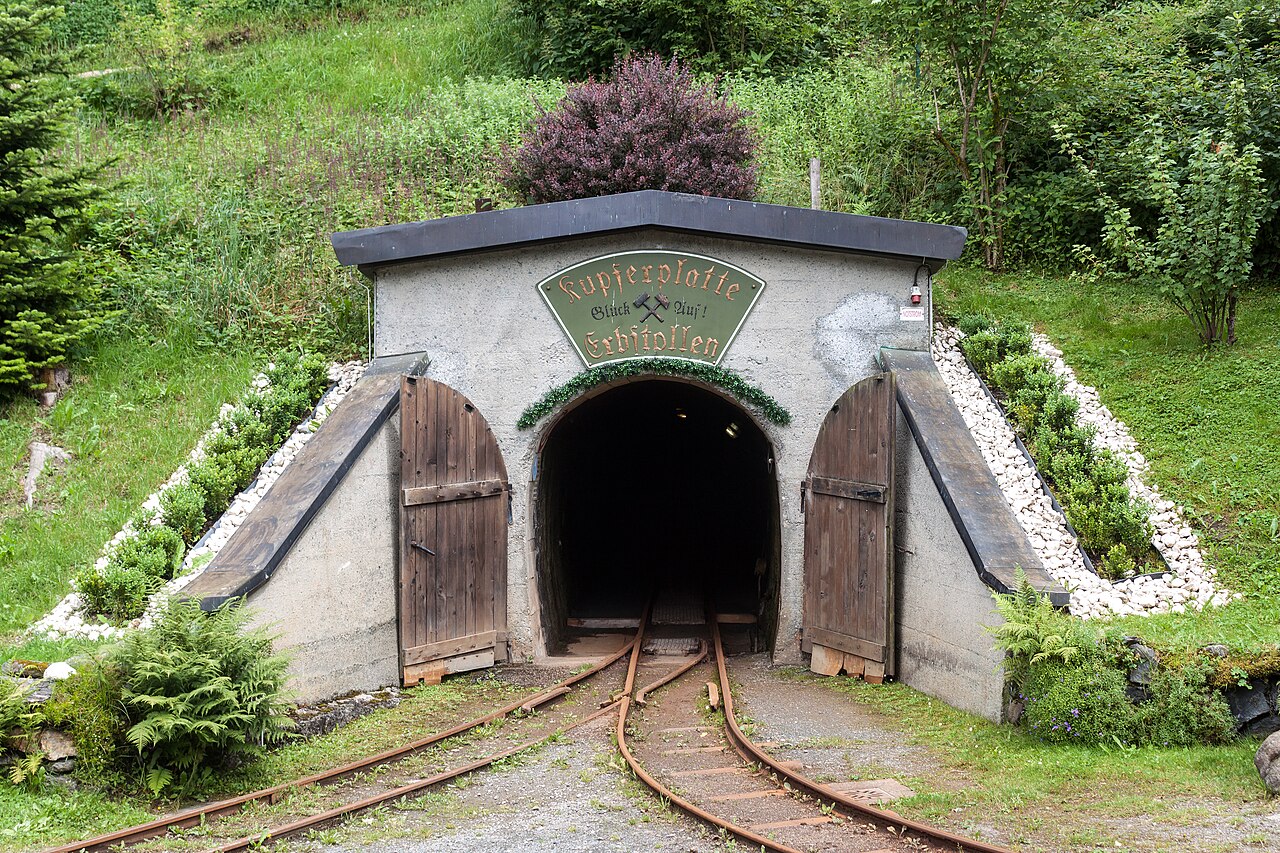
Kupferplatte show mine
Put on a helmet and go into the old galleries: in summer you can visit the copper and silver mine and see how the miners worked for centuries.
Parish church of St Wolfgang
The baroque village church of 1752, with its onion-domed tower the landmark of Jochberg. Below it lies the old Wolfgang spring.
Sintersbach waterfall
The waterfall drops 85 metres, about an hour’s walk from the Schradlern car park. At its most impressive in spring, after the snowmelt.
Sources: Wikipedia (Jochberg, Tirol), bergbaugemeinden.at, kitzbuehel.com.